


Introduction
Starting an online business has never been easier, but choosing the right model can feel overwhelming. Two of the most popular options today are dropshipping and digital products. Both offer low startup costs, flexibility, and the potential to earn passive income—but they work in very different ways.
If you’re trying to decide between Dropshipping vs Digital Products, this guide will break down everything you need to know. From startup costs to scalability and profit margins, you’ll discover which model fits your goals, skills, and budget.
What Is Dropshipping?
Dropshipping is an eCommerce business model where you sell physical products without holding inventory. When a customer places an order, the supplier ships the product directly to them.
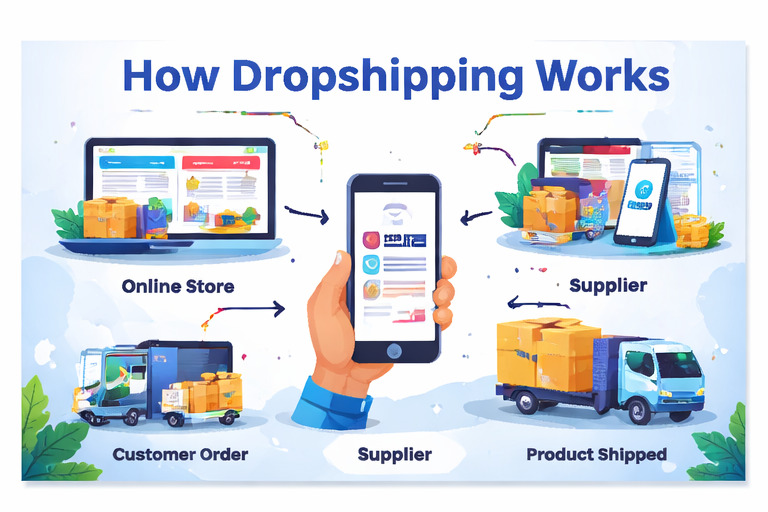
How Dropshipping Works
- You create an online store
- You list products from a supplier
- A customer places an order
- The supplier ships the product
- You keep the profit margin
Advantages of Dropshipping
- Low startup cost: No need to buy inventory upfront
- Easy to start: Many tools and platforms simplify the process
- Wide product selection: You can test multiple niches quickly
Disadvantages of Dropshipping
- Low profit margins: High competition drives prices down
- Shipping delays: Especially when using overseas suppliers
- Limited control: You depend on supplier quality and reliability
What Are Digital Products?
Digital products are intangible goods that customers can download or access online. Examples include eBooks, online courses, templates, and software.
Examples of Digital Products
- eBooks and guides
- Online courses
- Graphic design templates
- Stock photos or music
- Software and mobile apps
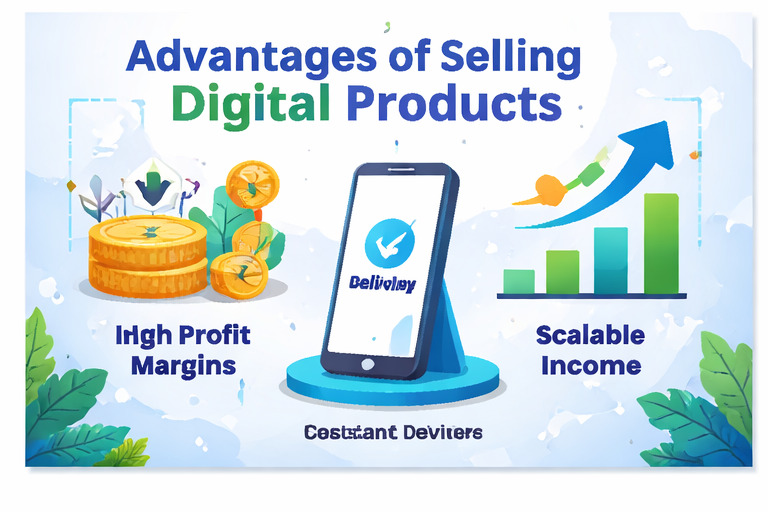
Advantages of Digital Products
- High profit margins: No manufacturing or shipping costs
- Instant delivery: Customers receive products immediately
- Scalable: Sell the same product unlimited times
Disadvantages of Digital Products
- Requires creation time: You must build the product first
- Skill-based: You need expertise or creativity
- Piracy risks: Digital content can be copied or shared
Dropshipping vs Digital Products: Key Differences
1. Startup Costs
- Dropshipping: Low cost, but you may spend on ads and tools
- Digital Products: Very low cost if you create your own content
👉 Winner: Digital products (lower long-term costs)
2. Profit Margins
- Dropshipping: Typically 10%–30% margins
- Digital Products: Can reach 70%–90% margins
👉 Winner: Digital products
3. Time Investment
- Dropshipping: Faster to launch
- Digital Products: Takes time to create and refine
👉 Winner: Dropshipping (for quick start)
4. Scalability
- Dropshipping: Limited by suppliers and logistics
- Digital Products: Highly scalable with no extra cost per sale
👉 Winner: Digital products
5. Risk Level
- Dropshipping: Risk of refunds, supplier issues, and delays
- Digital Products: Lower operational risk
👉 Winner: Digital products
Which Is Better for Beginners?
The answer depends on your goals and situation.
Choose Dropshipping If:
- You want to start quickly
- You prefer selling physical products
- You are willing to learn paid advertising
Choose Digital Products If:
- You have a skill or knowledge to share
- You want long-term passive income
- You prefer higher profit margins
Practical Example
Let’s say you want to make money online:
- With dropshipping, you could sell fitness equipment sourced from a supplier. You focus on marketing and customer service.
- With digital products, you could create a fitness eBook or workout program and sell it repeatedly without additional costs.
In the long run, the digital product can generate more profit with less effort after the initial setup.
Helpful Tips to Succeed in Both Models
1. Focus on a Niche
Avoid broad markets. Choose a specific audience like:
- Home workouts for beginners
- Pet accessories for small dogs
- Budget travel guides
2. Build a Brand
Don’t rely only on ads. Create:
- A professional website
- Social media presence
- Email list
3. Use SEO for Free Traffic
Optimize your content using:
- Long-tail keywords
- Blog posts
- Product descriptions
4. Test and Improve
- Track your performance
- Adjust pricing and offers
- Improve customer experience
Common Mistakes to Avoid
- Choosing saturated niches without research
- Ignoring customer support
- Over-relying on paid ads
- Creating low-quality digital products
Conclusion
When comparing Dropshipping vs Digital Products, both models offer real opportunities to build an online income. However, digital products stand out for their higher profit margins, scalability, and long-term potential.
That said, dropshipping can be a great starting point if you want to learn eCommerce quickly without creating your own product.
The best choice depends on your skills, goals, and how much time you’re willing to invest. If possible, many successful entrepreneurs combine both models to diversify their income streams.
FAQs
1. Is dropshipping still profitable in 2026?
Yes, dropshipping can still be profitable if you choose the right niche and use effective marketing strategies.
2. Are digital products better than dropshipping?
Digital products often offer higher profit margins and scalability, making them a strong long-term option.
3. Can I do both dropshipping and digital products?
Yes, combining both models can diversify your income and reduce risk.
4. Which is easier for beginners?
Dropshipping is easier to start, but digital products can be more profitable over time.
5. Do I need a website for both models?
Yes, having a website improves credibility and helps you grow your online business.